

How AI is Reshaping Talent Acquisition
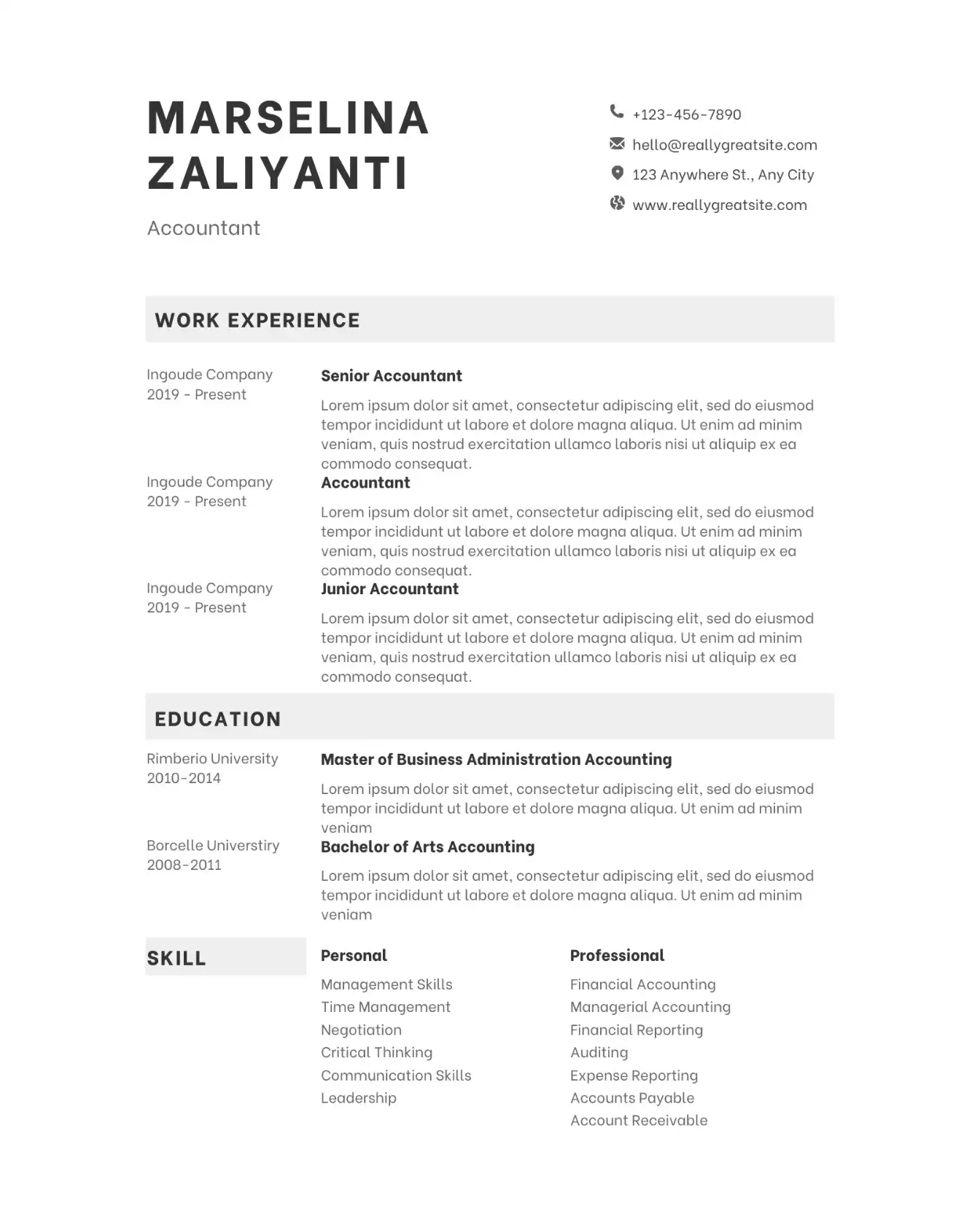
The modern hiring landscape is drowning in applications. A single job posting can generate 500+ resumes within hours, many AI-generated or mass-applied. HR teams are overwhelmed, spending 80% of their time on administrative screening instead of meaningful candidate evaluation. The solution isn't hiring more recruiters, it's working smarter with AI resume parser technology.
The Resume Tsunami Problem
Post-layoff market dynamics have created an unprecedented volume of applications. What used to be 50 resumes per position is now 500+, with many candidates using AI tools to mass-apply to hundreds of jobs. This creates a needle-in-haystack problem where quality candidates get buried under an avalanche of generic applications.
Resume parsing becomes essential for survival in this environment. Our AI resume parser can process 500 resumes in the time it takes to manually review 5.
The Hidden Bias in Manual Resume Screening
Human recruiters, despite best intentions, bring unconscious biases to resume screening. Studies reveal that identical resumes receive different ratings based on candidate names, university prestige, or even resume formatting. This bias doesn't just hurt diversity, it costs you great candidates who don't fit traditional molds.
A quality resume parsing tool eliminates these biases by extracting data consistently from every resume, regardless of formatting, design, or presentation style. Our AI resume parser captures the same information fields from each candidate, providing recruiters with standardized data that enables objective comparison based purely on qualifications and experience.
💡 Recruiter Insight
"Before implementing resume parsing, I was spending 40% of my time on data entry instead of actually talking to candidates. Now I can focus on building relationships and assessing cultural fit." - Sarah Chen, Senior Technical Recruiter
Beyond Keyword Matching: Intelligent Skill Assessment
Traditional resume parsing tools rely on simple keyword matching: if a resume mentions "Python," it gets tagged for Python skills. But real-world hiring is more nuanced. A candidate might have deep JavaScript expertise that translates well to Python roles, or project management experience that's valuable even if not explicitly listed.
Our AI resume parser understands context and relationships between skills, experience levels, and role requirements. It doesn't just extract data, it interprets it, helping you discover hidden gems in your candidate pool that keyword-based systems would miss entirely.
The Candidate Experience Advantage
While you're optimizing your internal processes, don't forget the candidate experience. Top talent expects modern, efficient hiring processes. When candidates submit applications and hear back within hours instead of weeks, it signals that your company values their time and operates with cutting-edge efficiency.
Resume parsing enables this responsiveness. Automated data extraction means faster initial screening, quicker feedback loops, and more time for meaningful candidate interactions. In a competitive talent market, this responsiveness becomes a significant differentiator in attracting top performers.
Building Your Resume Processing Pipeline
The beauty of modern resume parsing lies in its flexibility. Email resumes directly to our processing system and receive structured candidate data back automatically. No software installations, no complex integrations, just instant candidate data extraction that fits into any workflow.
For teams managing recruitment from Google Workspace, our Google Sheets integration transforms resume management entirely. Process hundreds of resumes stored in Google Drive and receive organized candidate databases ready for immediate screening. It's like having a dedicated data entry team that never sleeps, never makes mistakes, and processes resumes faster than humanly possible.
The most successful recruiting teams don't just collect resumes, they systematically process, analyze, and act on candidate data. Resume parsing provides the foundation for this systematic approach, transforming hiring from a reactive process into a proactive talent acquisition strategy.